What Is the CDFE Certification and Who Should Get It?
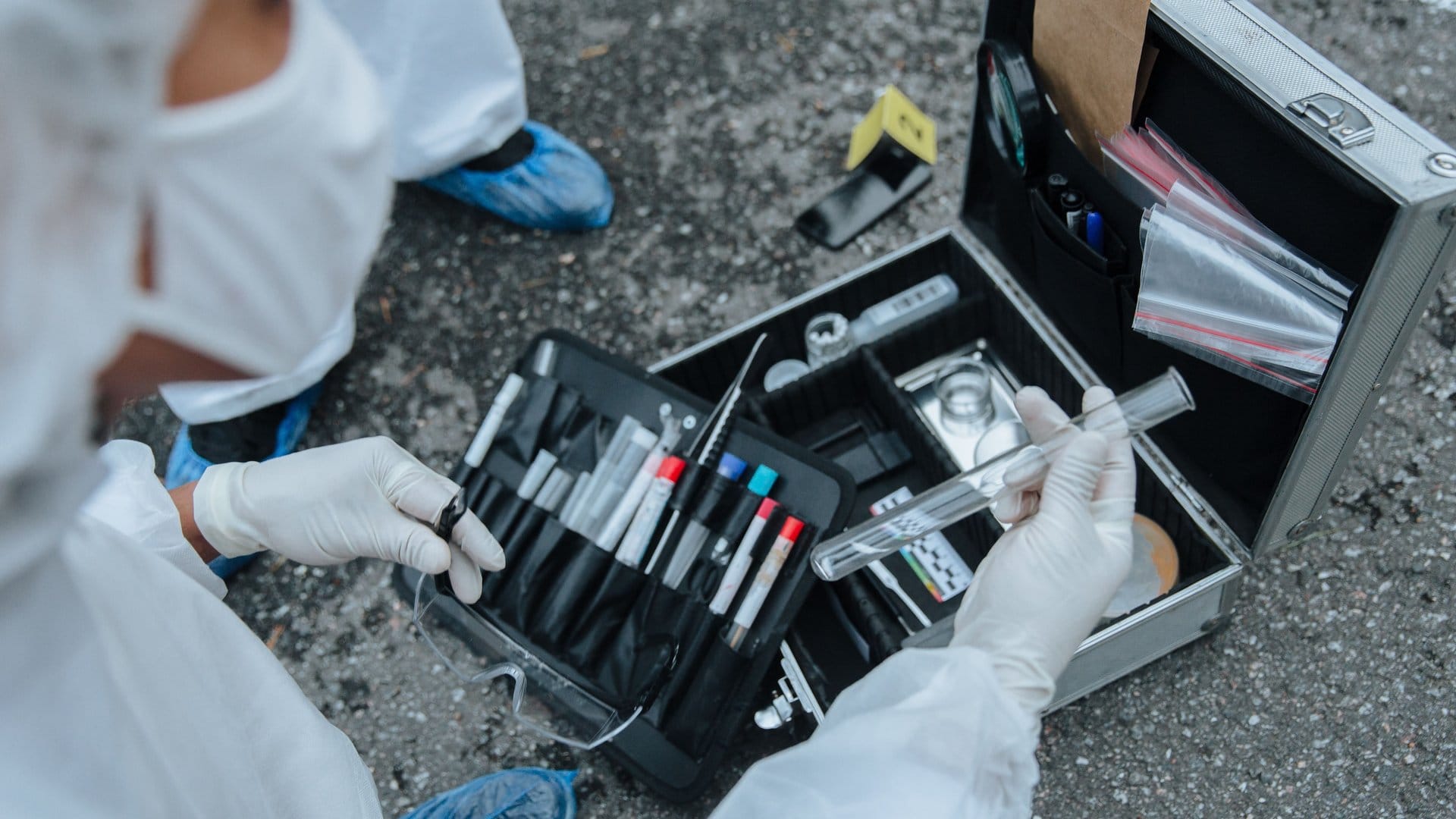
A seized laptop holds the evidence your case needs. Pull the data the wrong way and a defence lawyer gets it excluded. The Certified Digital Forensics Examiner, known as the CDFE, trains you to recover, preserve, and analyse digital evidence in a form a court accepts. If you work in law enforcement, government, or offensive security and you want proof of forensic skill, here is what the credential covers and who should earn it.
Police-reported cybercrime in Canada reached 225 incidents per 100,000 people in 2024, more than double the rate recorded in 2018, according to Statistics Canada. Fraud and related violations drove 62 percent of those cases, and every one leaves a digital trail someone has to recover cleanly. Digital forensics analysts in Canada earn a median near 123,000 dollars, with senior examiners passing 150,000, and demand grows around 15 percent a year. The CDFE gives you a recognized way to show a hiring board you hold the skill, not only the interest.
What the CDFE certification is
The CDFE is a vendor-neutral certification from Mile2. It walks you through the full forensic process, from first response at a scene to the final report a prosecutor reads. You learn to image a drive, preserve evidence, recover deleted files, and reconstruct user activity across a device. The course covers computer forensics, mobile and network artifacts, anti-forensic tricks, and the legal rules Canadian and international courts apply to digital evidence. Because the credential stays vendor-neutral, your skills move across agencies and tools instead of locking you to one product. Read the Certified Digital Forensics Examiner outline for the full module list.
What you learn and practise
The CDFE leans on hands-on labs, not theory alone. You practise acquiring evidence from live and powered-off systems, hashing images to prove integrity, and carving deleted data from unallocated space. You study file systems in depth, because knowing how a drive writes and erases data separates a real examiner from a button-pusher. You document every action, since a disciplined chain of custody decides whether your findings survive cross-examination. You also learn to write reports investigators, prosecutors, and juries understand in plain terms. These skills form the core of daily forensic work.
Who should earn the CDFE
Several roles benefit most from this credential. Police officers moving into a cyber or technological crime unit gain training open to everyone, unlike some courses limited to sworn members. Government and RCMP forensic staff use it to prove baseline competence against national standards. Incident responders and SOC analysts add forensic depth so they trace an attacker’s steps after a breach, not only contain it. Penetration testers who want defensive range earn it to understand the traces their own work leaves behind. Corporate investigators and internal fraud teams rely on it to handle evidence in a defensible way. If your job touches seized or suspect data, the CDFE fits.
How the CDFE maps to the Canadian framework
The Canadian Centre for Cyber Security publishes the Canadian Cyber Security Skills Framework, and it defines the Digital Forensics Analyst role along with the competencies employers score you against. The CDFE lines up with those competencies, so you speak the language a Canadian hiring team expects. Federal forensic work also follows ITSG-33, the government control standard, and feeds programs such as the RCMP Digital Forensics Services, which extract data from lawfully seized devices across the country. Tie your training to these references and you signal to public sector employers you understand their environment.
How it compares to related Mile2 certifications
The CDFE sits at the centre of a forensic track. When a case turns on network traffic and intrusion, the Certified Network Forensics Examiner adds the skill to trace an attack across logs and packets. Officers who want a credential tied directly to policing units often target the Certified Cyber Security Forensics Officer. If your work overlaps with live intrusions, the Certified Incident Handling Engineer pairs response skill with your forensic base. Stack these credentials and you cover the full arc from breach to courtroom.
Your next step
Start by checking your foundations. You want a working grasp of operating systems, file systems, and networking before you sit the exam. Set up a home lab on cheap hardware and practise with open-source forensic tools on test images, because repetition builds the workflow you need under pressure. Then study toward the CDFE, sit the exam through the Mile2 Assessment and Certification System, and lead with the credential when you apply to forensic units. Demand for skilled examiners keeps rising as cases fill with phones, cloud accounts, and encrypted drives. Prepare now and you meet Canadian law enforcement and enterprise employers where they need people most.
