
Digital Forensics for Law Enforcement: Where to Start
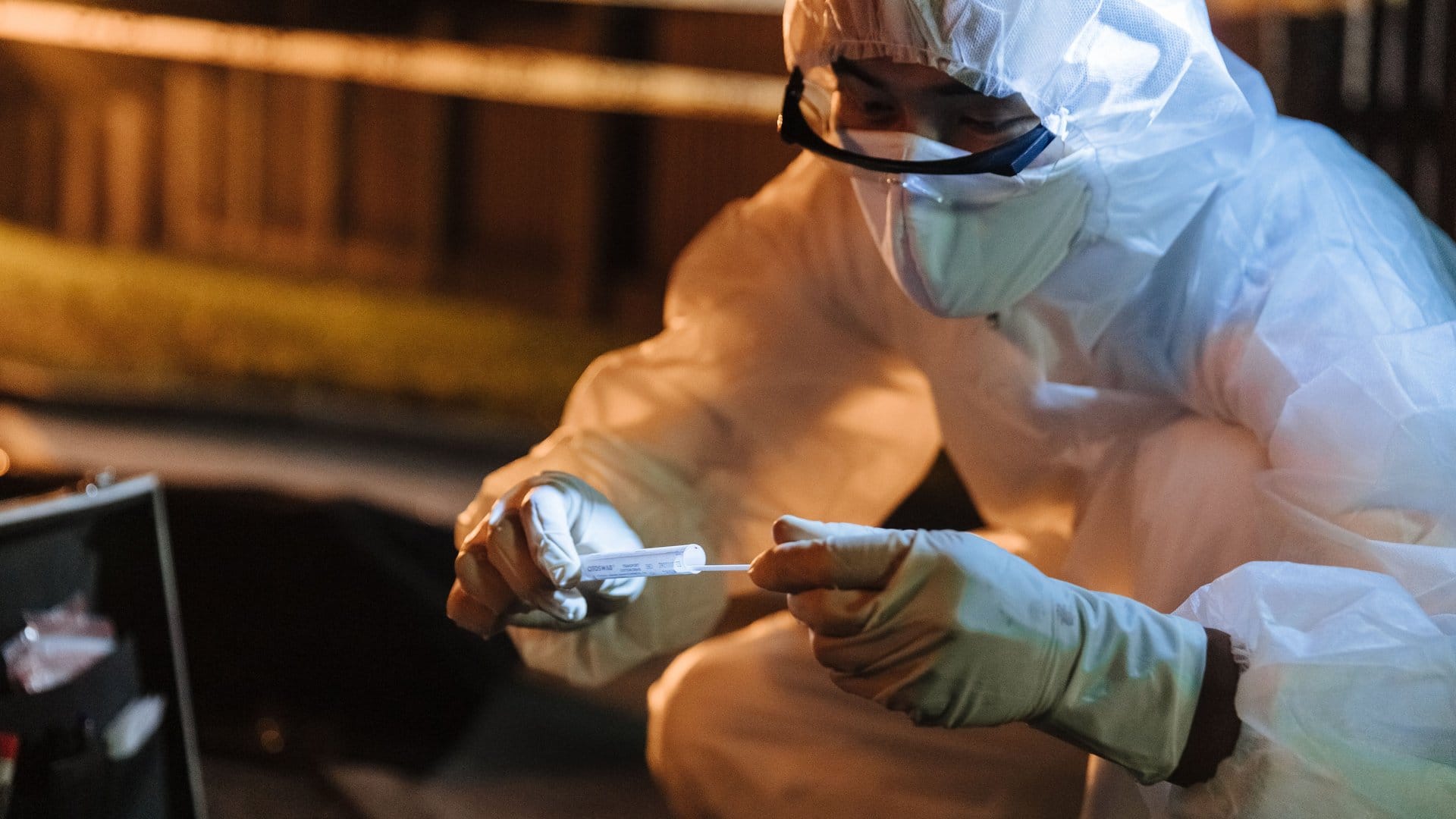
A locked phone sits in an evidence bag. The suspect stays silent. The case now depends on what your team pulls from the device without corrupting a single byte. Digital forensics turns seized hardware into evidence a court accepts, and Canadian police units need more trained examiners every year. If you work in law enforcement and you want to move into this field, here is where to start.
Digital forensics analysts in Canada earn a median near 123,000 dollars, and demand grows around 15 percent a year as cases involving phones, cloud accounts, and encrypted drives multiply. Police services, the RCMP, and provincial units all compete for the same small pool of qualified examiners. The work rewards method, patience, and proof of skill over raw speed.
What digital forensics does in an investigation
Digital forensics is the practice of recovering, preserving, and analysing data from devices in a way a court trusts. Examiners pull files from smartphones, laptops, servers, USB drives, and cloud accounts. They recover deleted messages, hidden files, and the traces applications leave behind. Every step follows a documented chain of custody, because a defence lawyer will challenge any gap in the record. The RCMP Digital Forensics Services teams do this work daily, extracting evidence from devices tied to fraud, exploitation, and organized crime.
The skills you need first
Strong examiners start with solid computer fundamentals. You need to understand file systems, operating systems, and how data moves across a network. You need comfort with the command line and a working grasp of how storage devices write and delete data. Attention to detail matters more than speed, because one careless action ruins evidence. Report writing counts too. Your analysis means little if you fail to explain it in plain terms to investigators, prosecutors, and a jury. Build these foundations before you chase advanced tools.
Where Canadian law enforcement trains examiners
The Technological Crime Learning Institute at the Canadian Police College runs the national training track for police digital forensics. It offers around 14 specialized courses, from the Computer Forensic Examiner program to Mobile Device Acquisition and Analysis. These courses split into two paths, one for investigators handling internet crime and one for examiners who extract and analyse data from seized devices. Access often requires a police affiliation, so many officers pair this training with civilian certifications open to everyone. The National Cybercrime Coordination Centre also shapes how forensic evidence feeds national investigations.
The certifications to prove your skill
A recognized certification shows a hiring board you hold the skill, not only the interest. Vendor-neutral credentials carry weight across agencies because they map to methods, not a single product. Start with the Certified Digital Forensics Examiner, which teaches the full process of acquiring, preserving, and analysing evidence from computers and devices. When cases involve network traffic and intrusion, the Certified Network Forensics Examiner adds the skill to trace an attack across logs and packets. Officers who want a role tied directly to policing units often target the Certified Cyber Security Forensics Officer. If your work overlaps with live intrusions, the Certified Incident Handling Engineer rounds out your response skills.
Map your role to the Canadian framework
The Canadian Centre for Cyber Security publishes the Canadian Cyber Security Skills Framework, and it defines the Digital Forensics Analyst role along with the competencies employers score you against. Read it before you apply. It names the exact skills a hiring team looks for and gives you the language to describe your experience. Government forensic work also follows ITSG-33, the federal control standard, and the priorities set in Canada’s National Cyber Security Strategy. Align your training with these references and you signal to federal and provincial employers you understand their environment.
Your first steps into the field
Move in a clear order. Build your fundamentals with hands-on practice at home, because a lab on cheap hardware teaches more than any slide deck. Pick one certification to match the role you want and study toward the exam. Practise with open-source forensic tools on test images so you learn the workflow before a real case lands on your desk. Document each action you take, since disciplined notes form the habit every examiner needs. Then apply to units through police services, the RCMP, or provincial agencies, and mention your training and your credential early.
One truth holds across this field. The devices change, the encryption hardens, and the volume of data climbs each year. Treat learning as part of the job. Follow CCCS guidance, refresh your skills each recertification cycle, and keep testing new tools in your lab. Examiners who stay current handle the cases others turn away, and law enforcement across Canada needs people willing to hold the standard. The demand is real and the path is open for anyone who prepares now.
