
SIM Swapping: How Attackers Hijack Your Phone Number and How to Stop It
Your phone loses signal for no reason. No bars, no calls, no texts. You blame a network outage and wait. Within an hour, your email password resets, your bank login changes, and money leaves accounts you thought only you controlled. This is a SIM swap, and in one Toronto investigation it compromised more than 1,500 cellular accounts across Canada and drained over $1 million from victims, telecom companies, and banks. If your staff authenticate anything by text message, this attack reaches your organization too.
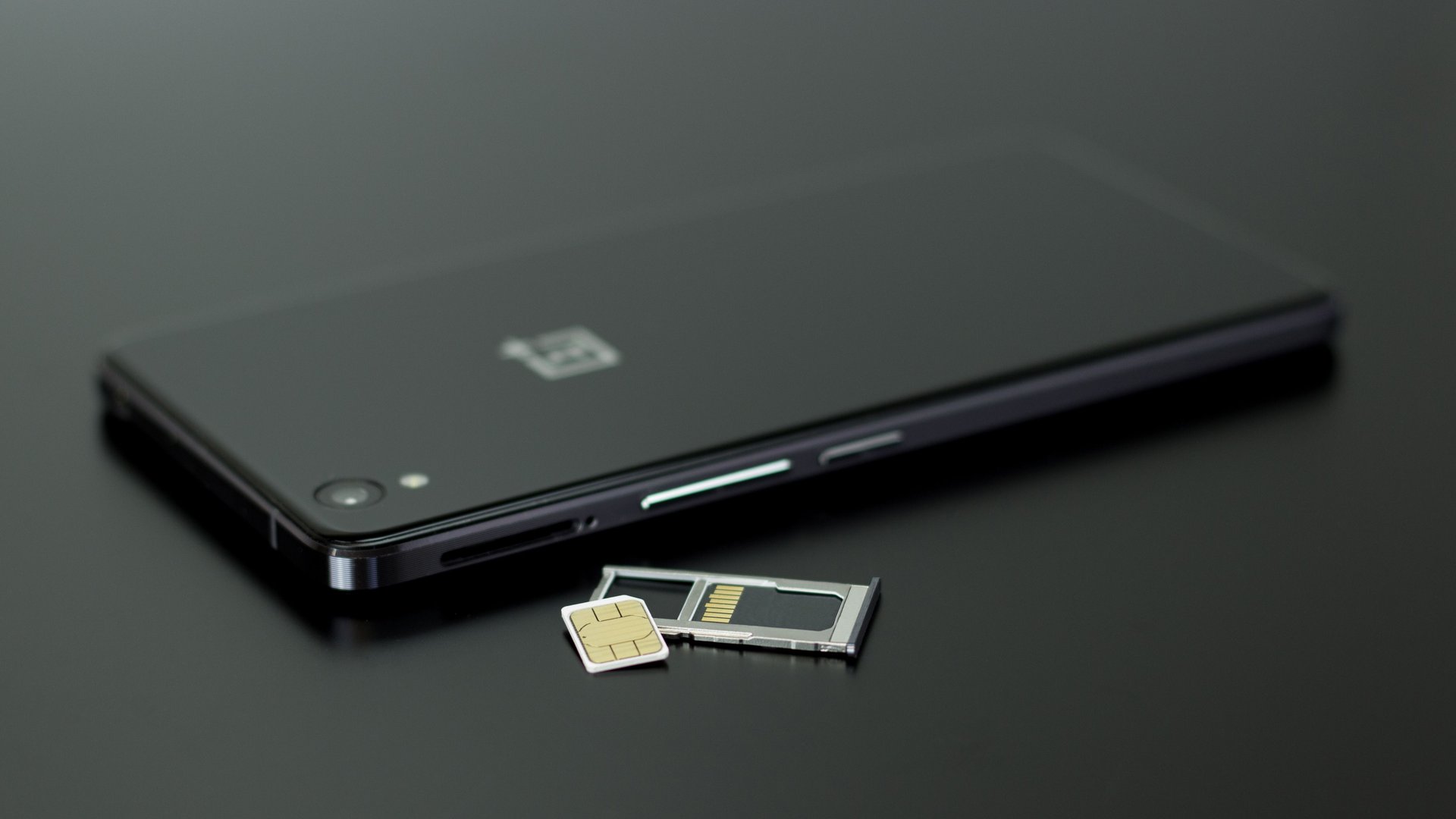
SIM swapping moves your phone number from your SIM card to one an attacker holds. Your carrier believes it is helping the real customer. Once the number moves, every call and text follows it to the attacker. The Canadian Centre for Cyber Security describes three common methods in its guidance on SIM security. An attacker calls your provider and poses as you, using details scraped from social media to pass security questions. An attacker logs into your carrier account with stolen credentials and authorizes the swap. Or a provider employee takes a bribe and makes the change from the inside.
Why Your Phone Number Became a Skeleton Key
For years, security teams told people to add a second factor. Many organizations chose the text message code, because everyone owns a phone. Attackers noticed. Your number now controls far more than calls. It resets passwords, approves logins, and confirms transfers. Control the number and you control the accounts behind it. Toronto Police called the tactic “human hacking,” since the fraudsters talked their way past telecom staff rather than breaking any software. The weak point was a person, not a firewall.
How One Swap Becomes a Full Breach
Watch how fast it unfolds. In 2023, a Toronto-area couple lost roughly $140,000 after someone obtained a new SIM card for a Freedom Mobile number at a retail store. The victim’s phone dropped into SOS mode. Within 24 hours, the attacker drained a stock trading account and a cryptocurrency account. Most of the stolen Bitcoin never came back. One phone number was the only tool the attacker needed to begin. The Toronto Police investigation into a wider ring laid 108 charges against 10 people for the same tactic.
The same chain works against a business. An attacker swaps the number of a finance manager or an IT administrator. The text-based second factor on email, the VPN, or the cloud console now rings on the attacker’s device. From there, they read your messages, approve payments, and move toward the systems holding customer data. The breach starts with one person’s mobile account and spreads inward.
The Warning Signs You Teach Your Team
SIM swaps leave tracks. The first sign is sudden loss of service on a phone with no outage nearby. Wi-Fi calling stops too. A missing multi-factor prompt during a normal login is another clue. So is an email about account changes no one requested. Teach your staff to treat a dead phone as a security event, not a billing glitch. The faster someone reports it, the smaller the damage. Speed is your advantage here.
How Canadian Organizations Shut the Door
Start with the factor itself. The CCCS tells organizations to use authenticator applications generating one-time passcodes for multi-factor authentication instead of text or call verification. For your most sensitive accounts, issue hardware security keys. Both methods stay on the device and never travel with a hijacked number. Moving administrators and finance staff off SMS codes removes the prize an attacker chases.
Lock down the carrier side next. The CCCS advises enforcing cellular contracts for company-owned devices to prohibit account migration without your organization’s approval. Ask your provider to add port protection or a SIM lock to each line. Set a clear device usage policy stating which data belongs on which devices. These controls map to the identity and access practices in ITSG-33 and the CCCS Baseline Cyber Security Controls, the frameworks your Canadian auditors expect you to follow.
Then prepare to respond. Build a runbook for a reported swap. Your team contacts the carrier to reverse the port, resets the exposed passwords, and reviews recent logins on email, banking, and cloud accounts. Keep an out-of-band way to reach staff when their phones go dark. A planned response turns a frightening hour into a contained incident.
Build the Skills Behind the Controls
Policies work when people understand the threat. Mile2 trains those people through role-based paths. The Certified Security Awareness 1 course prepares staff to recognize the social engineering a SIM swap depends on, so your help desk and your finance team stop the con before it starts. The Certified Cybersecurity Analyst develops the monitoring skills to flag a suspicious login the moment a stolen number approves one. The Certified Incident Handling Engineer teaches your team to contain an account takeover and reverse the damage. For the leaders who set authentication and device policy, the Certified Information Systems Security Officer builds the governance view the frameworks demand.
A SIM swap costs an attacker a phone call and a little research. It costs a victim their accounts in under an hour. Move your organization off text-message codes, lock your carrier lines, teach your people the warning signs, and rehearse the response. The number in your pocket is an identity. Protect it like one.
