
Shadow AI: The Hidden Risk of Unsanctioned AI Tools in Canadian Workplaces
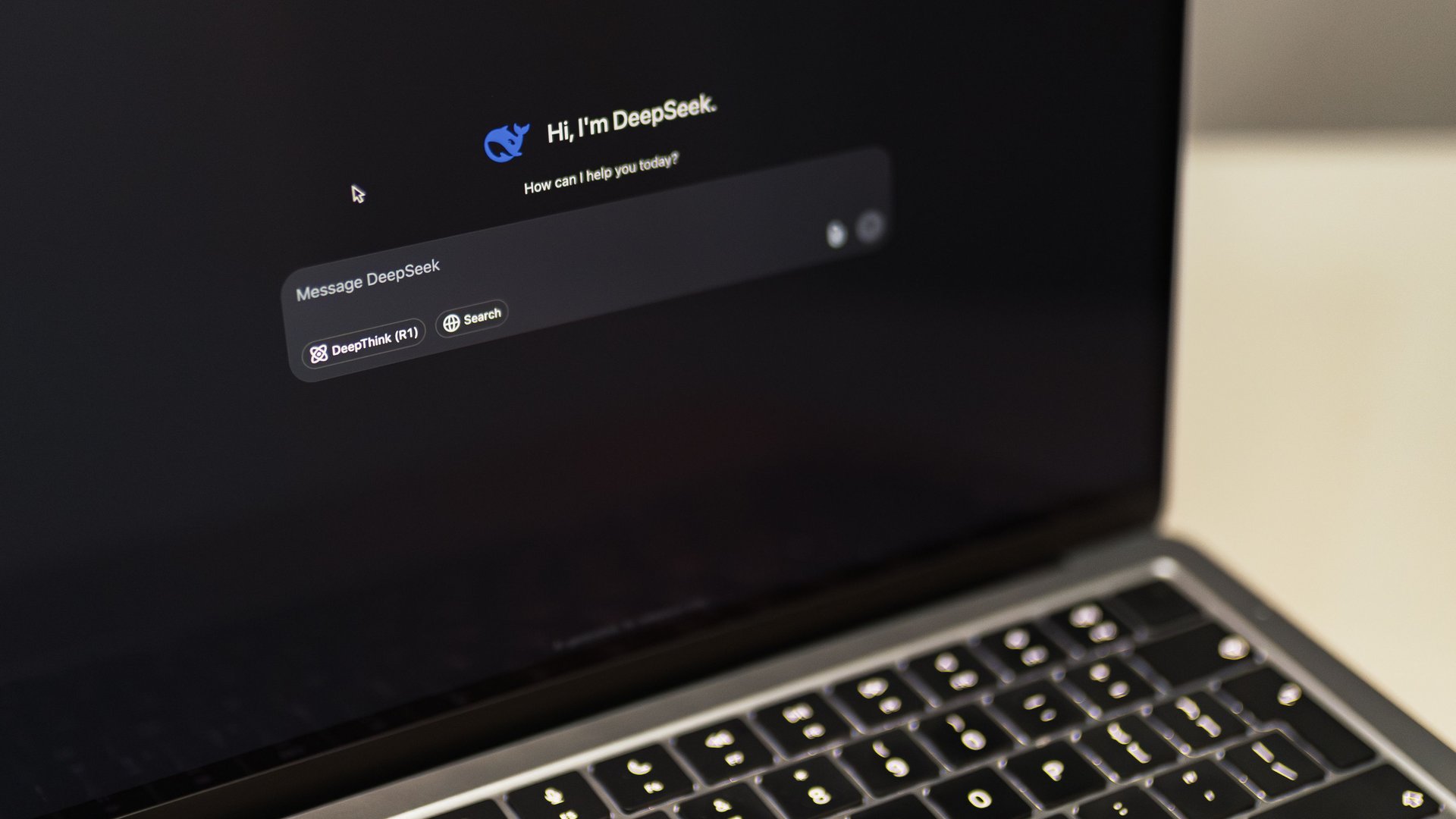
An employee pastes a client contract into a free AI chatbot and asks for a plain-language summary. The work finishes in seconds. The contract now sits on a third-party server outside your control, outside your retention rules, and outside any agreement you signed. This is shadow AI, and it runs inside most Canadian organizations right now.
Shadow AI means the use of AI tools your organization never approved. Staff reach for public chatbots, writing assistants, code generators, and meeting transcribers to move faster. Statistics Canada found 35.9 percent of Canadian workers used generative AI as part of their main job in the 12 months before March 2026. Only 5 percent of the people who avoided these tools pointed to company policy as the reason. Read those two numbers together and the picture sharpens. Your people use AI at work. Few organizations govern how.
Why staff adopt AI without asking
Nobody sets out to leak data. Your team wants to hit deadlines. A sales rep drafts a proposal. An analyst cleans a messy spreadsheet. A developer debugs a broken function. Public AI tools return results in seconds and cost nothing to start. When the approved path is slow or missing, people route around it. The gap between what your staff need and what you sanctioned becomes the opening for risk.
The data risk hiding in every prompt
Every prompt is an upload. When an employee types customer records, source code, or internal strategy into a public tool, your sensitive information leaves your perimeter. The Canadian Centre for Cyber Security warns in its generative AI guidance about users providing sensitive corporate data or personally identifiable information inside AI queries without realizing it. The CCCS also flags loss of intellectual property, because these tools move large volumes of data out quickly. Some services train their models on what you submit, so a one-time paste turns into permanent exposure.
Look at where the use concentrates. Statistics Canada recorded the highest adoption in professional, scientific and technical services at 65.6 percent and in finance and insurance at 59.2 percent. These are the sectors holding your most sensitive client files, your deal terms, and your regulated records. The tools absorbing the most data sit in the hands of the people guarding the most valuable data.
Where Canadian privacy law raises the stakes
Under PIPEDA, your organization stays accountable for personal information even after it moves to a third party. The federal, provincial, and territorial privacy regulators published principles for the responsible use of generative AI, and they expect meaningful consent, limited collection, and transparency. A chatbot session nobody logged meets none of those tests. If personal data ends up in a tool you never vetted, the compliance failure belongs to you, not to the vendor.
How shadow AI becomes an attack path
Data exposure is one problem. Attackers are the next. Prompt history stored in an unvetted account becomes a target. Passwords reused across free AI logins open a door. Threat actors also seed fake tools and browser extensions dressed as AI helpers, then wait for staff to install them. The CCCS lists phishing, malicious code, and poisoned datasets among the risks tied to generative AI. A tool nobody approved sits outside your monitoring, so a breach through it stays invisible until the damage shows.
How to bring shadow AI into the light
Banning AI outright fails. Staff hide their usage, and you lose visibility entirely. Start by finding what is already in use. Review network logs and expense records to see which tools your people rely on. Then write a clear policy on approved tools and forbidden inputs. The CCCS recommends a plan defining how AI gets used and what content stays off limits, and it tells staff to keep PII and sensitive corporate data out of prompts. Offer a sanctioned alternative with proper data handling, so the fast path and the safe path become the same path.
Skilled people turn a policy into practice. The Mile2 Certified AI Cybersecurity Officer program trains the officer who owns AI risk, from tool approval to data governance across Canadian frameworks. Security leaders who set policy and answer to the board rely on the Certified Information Systems Security Officer track to tie AI governance into the wider program. Detection matters too, because a written rule without monitoring is a suggestion. The Certified Cybersecurity Analyst path builds the analyst who watches for data moving to unsanctioned destinations and flags the account nobody authorized.
Treat AI use as a governance decision
Shadow AI is not a technology problem to block. It is a governance decision you make on purpose or by default. Map your data against ITSG-33 and the CCCS Baseline Cyber Security Controls, classify what must never reach a public tool, and build the guardrails before the next quarter closes. Your staff will use AI either way. Your job is to set the terms, give them a safe route, and train the people who keep this route secure. Act now, while you still control where your data goes.
