The Rise of OT and ICS Security: What Organizations Need to Know
In October 2025, someone reached into a Canadian water facility and changed its pressure settings from a keyboard. In the same period, an automated tank gauge at an oil and gas company threw false alarms, and a grain-drying silo on a farm ran at manipulated temperatures. None of these operators were singled out for who they were. Their systems sat exposed on the internet, so they became targets of opportunity.
The Canadian Centre for Cyber Security and the RCMP documented all three intrusions in alert AL25-016, published on October 29, 2025. The attackers were not nation-state operators. They were hacktivists hunting for reachable systems and attention. What they reached was operational technology, or OT, and the industrial control systems, or ICS, inside it. This shift matters to you, because OT security has moved from a niche engineering concern to a board-level risk.
What OT and ICS Mean in Practice
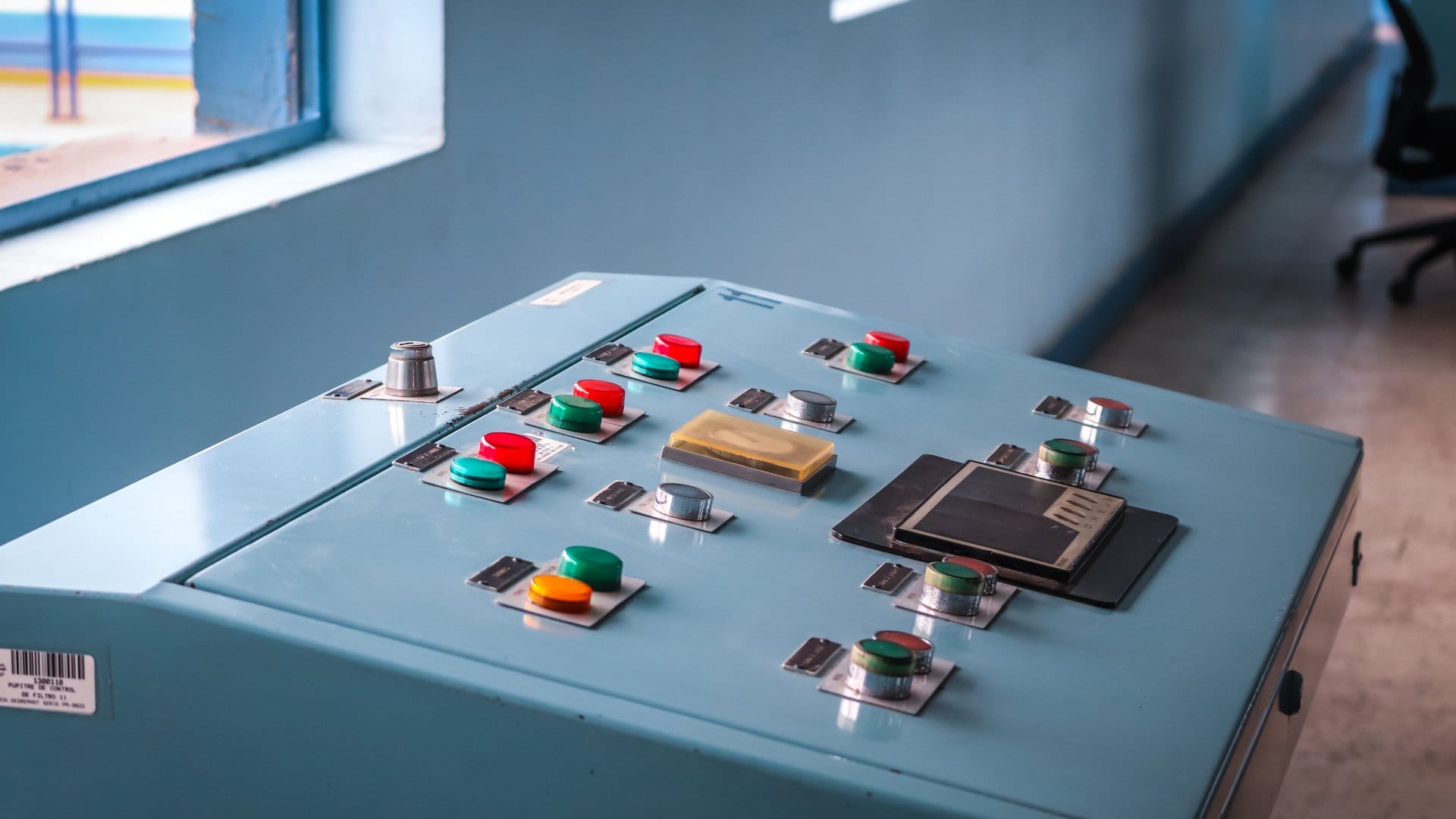
Operational technology runs physical processes. Pumps, valves, turbines, assembly lines, and building management all sit under OT. Industrial control systems are the subset you use to monitor and control those processes remotely. Think programmable logic controllers, remote terminal units, human-machine interfaces, and SCADA platforms. When one of these fails or gets tampered with, the result is physical. Water pressure drops. A tank overflows. A production line stops.
For decades these systems stayed isolated. Engineers built them for safety and uptime, not for defending against remote attackers. Now they connect to IT networks and sometimes straight to the internet. Every new connection widens the attack surface. A controller designed in 2005 with no authentication now answers requests from anywhere in the world.
Why the Threat Is Growing Now
The National Cyber Threat Assessment 2025-2026 flags OT exposure as one of the clearest weaknesses in Canadian critical infrastructure. Two forces drive the risk. First, IT and OT convergence keeps accelerating as organizations chase efficiency and remote monitoring. Second, attackers know these systems produce visible, physical results. A ransomware note is one problem. A tampered chlorine level is another entirely.
Hacktivists exploit this gap because the payoff is publicity. They need little skill when a human-machine interface sits online with a default password. The AL25-016 cases prove the point. Simple access produced real disruption across water, energy, and agriculture, three sectors Canadians depend on every day.
The Canadian Framework to Start With
Begin with the Cyber Centre’s Cross-Sector Cyber Security Readiness Goals, or CRGs. The CRGs give critical infrastructure operators 36 concrete goals across six pillars: Govern, Identify, Protect, Detect, Respond, and Recover. They ask you to build and drill incident response plans for both IT and OT, not one at the expense of the other.
Pair the CRGs with the Cyber Centre guidance on protecting operational technology (ITSAP.00.051). It lists the steps most breached organizations skipped. Inventory every ICS device. Remove unnecessary connections to the internet. Segment OT from IT so one compromise does not spread. Require VPNs, firewalls, and multi-factor authentication for all remote access. These moves alone would have blocked most of what AL25-016 described.
Where the Skills Gap Sits
Tools alone will not close this. OT security needs people who understand the network and the physical process behind it. Many Canadian teams field strong IT security staff and almost no OT depth. The gap between those two worlds is where breaches happen.
Role-based training closes it faster than another appliance. A security officer needs to own OT risk at the policy level. An analyst needs to monitor OT traffic and recognize tampering. An incident handler needs a plan for a compromised controller, not only a compromised server. Buy the right skills before you buy the next tool, and the tool works harder for you.
Building the Right Team
If you lead security or IT, map your OT exposure to real roles and train for them. A Certified Information Systems Security Officer gives your leaders the governance grounding to treat OT as core business risk. A Certified Information Security Risk Manager helps you rank OT threats against the rest of your portfolio and defend the budget to fix them.
On the operations side, a Certified Cybersecurity Analyst builds the monitoring and detection skills your team needs to watch OT traffic. A Certified Incident Handling Engineer prepares your responders for the moment a controller starts behaving strangely. Each credential maps to a job, not a buzzword, which is how Mile2 structures every track.
What to Do This Quarter
Run an inventory of every OT and ICS device with a network path. Pull anything internet-facing behind a firewall and VPN today. Turn on multi-factor authentication for all remote access. Then measure your program against the CRGs and close the widest gaps first. The organizations breached in 2025 were not unlucky. They were reachable and unprepared. You get to choose which side of the line your organization sits on.
