
Why Supply Chain Attacks Are the New Frontier of Cybersecurity
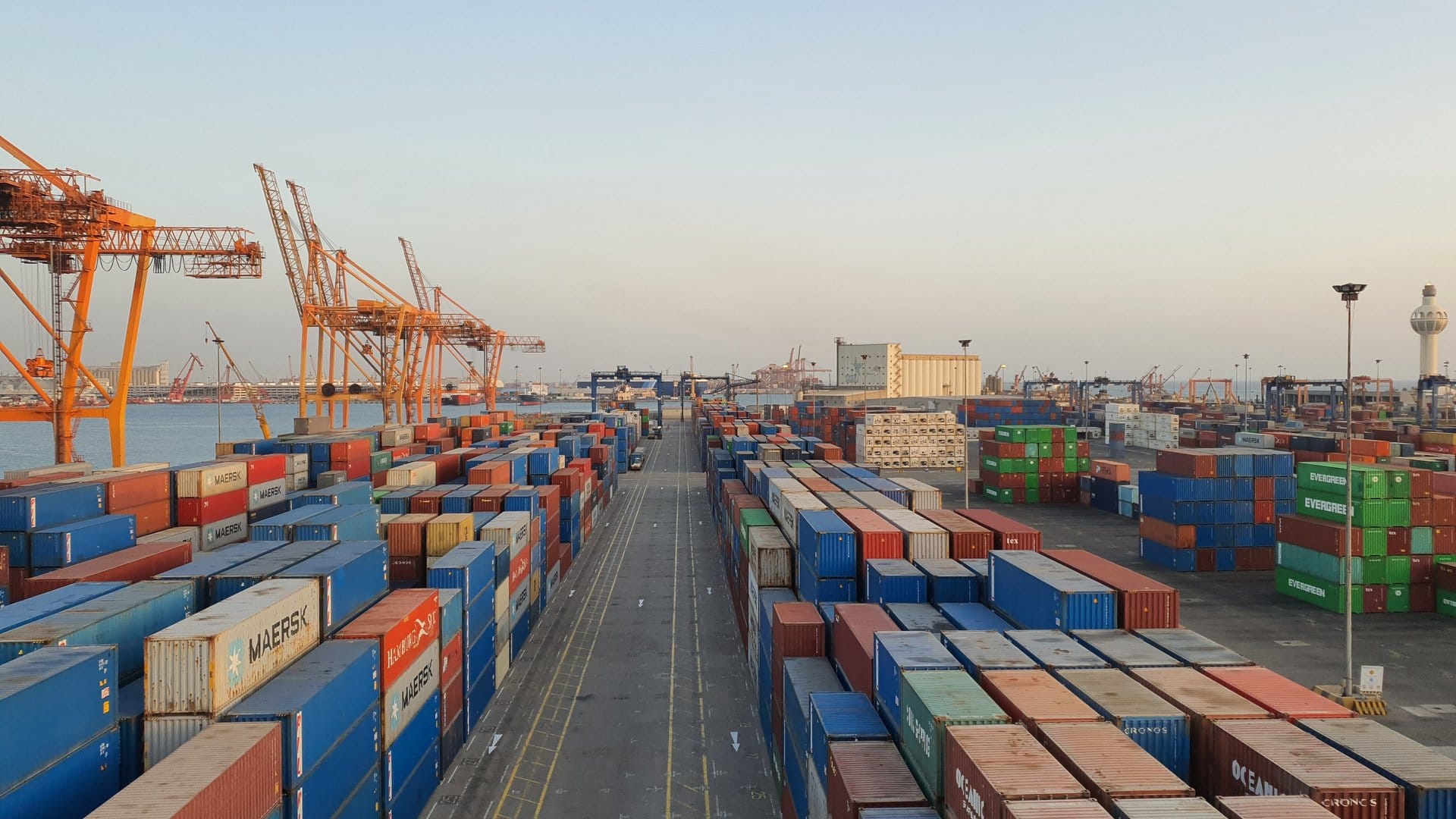
On August 4, 2026, attackers hijacked the maintainer account behind keyv, a small storage library pulled down 127 million times a week, and pushed a credential-stealing worm across every package in the family. Nobody targeted your organization. You inherited the breach the moment one of your developers ran an install command. This is the shape of the modern attack. Criminals no longer break down your front door. They poison a supplier you trust and walk in through the delivery.
Supply chain attacks now drive the fastest-rising costs in Canadian security. The 2026 IBM Cost of a Data Breach Report puts the average Canadian breach at a record CA$7.11 million, and supply-chain compromise adds the single largest premium, roughly CA$367,899 per incident, according to reporting on the IBM findings. Verizon’s 2026 breach report found third-party and supply-chain intrusions up 60 percent in one year. The Canadian Centre for Cyber Security names vendor concentration, your reliance on a handful of technology providers, as one of the five trends shaping the threat picture through 2026. Your defence perimeter no longer ends at your own network. It reaches every vendor, contractor, and open-source package you depend on.
What a Supply Chain Attack Looks Like
A supply chain attack targets the trusted link between you and a supplier. Instead of hitting you head-on, the criminal compromises software, hardware, or a service you already installed. When you update the product, you install the malware with it. The 2020 SolarWinds intrusion set the template, and 2026 turned it into routine. In March, attackers seized the account behind axios, one of the most-used JavaScript libraries, and turned a standard update into a malware channel. Open-source ecosystems saw a 75 percent jump in malicious packages year over year. The lesson holds across every sector. You trust your suppliers, and attackers trust you to trust them.
Why Canadian Organizations Sit in the Blast Radius
Canada runs on shared infrastructure. Banks, hospitals, utilities, and government departments lean on the same cloud platforms, the same managed service providers, and the same software vendors. One breach at a shared supplier reaches hundreds of downstream victims at once. The Cyber Centre warns state-sponsored actors use this concentration to plant themselves inside critical infrastructure, blending espionage with criminal extortion. Smaller firms feel it hardest. Fewer than half of Canadian small and medium organizations rate themselves ready for an attack, yet most have already weathered at least one. When your supplier falls, your data, your operations, and your reputation fall with it.
Map the Risk Before You Buy
You reduce supply chain risk the same way you reduce any risk. You find it, rank it, and treat it. The Cyber Centre lays out the method in Cyber supply chain: an approach to assessing risk (ITSAP.10.070), refreshed in 2026. Start with an inventory. List every vendor, every piece of software, and every third party with access to your systems or data. Rank each one by the damage a breach would cause. Then set security expectations in your contracts, demand proof of controls, and review the proof on a schedule. This work sits at the centre of the Certified Information Security Risk Manager track, which trains your staff to build a third-party risk program from the ground up.
Harden Your Software Pipeline
If your teams build software, your pipeline forms a target. The Cyber Centre’s guidance on protecting your organization from software supply chain threats (ITSM.10.071) sets out the controls. Lock dependency versions so a poisoned update does not slide in unnoticed. Verify the integrity of every package before you use it. Keep a software bill of materials, a full list of the components inside your applications, so you know your exposure the hour a new compromise breaks. Restrict what your build systems reach and log everything they do. Detection matters as much as prevention here, and analysts trained through the Certified Cybersecurity Analyst path learn to spot the odd behaviour a poisoned dependency leaves behind.
Watch the Threat, Name the Owner
Supply chain defence needs eyes on the attacker and a clear chain of command. Threat intelligence tells you which suppliers and which package ecosystems draw active attacks, so you act before the wave reaches you. The Certified Threat Intelligence Analyst credential builds this skill. Above the technical work sits governance. Someone owns vendor risk, sets the policy, and answers to leadership when a supplier fails. A Certified Information Systems Security Officer fills the role, tying supplier controls to your wider security program and to Canadian guidance. Lead with the CCCS approach and its baseline controls for small and medium organizations. NIST CSF 2.0 serves as the international reference the Canadian guidance aligns with.
Where to Start
Supply chain attacks reward one thing above all, blind trust in your suppliers. You break the pattern by seeing your dependencies clearly. Inventory every vendor and package. Rank them by damage. Write security into your contracts. Lock and verify your software components. Assign an owner to vendor risk and give your team the training to hold the line. Technology narrows the opening. Trained people close it. Mile2 Canada delivers vendor-neutral, hands-on certification tracks built for real supply chain defence, from risk management to threat intelligence. Reach out to map a training path for your organization this quarter.
