
The Role of Cybersecurity in Critical Infrastructure Protection
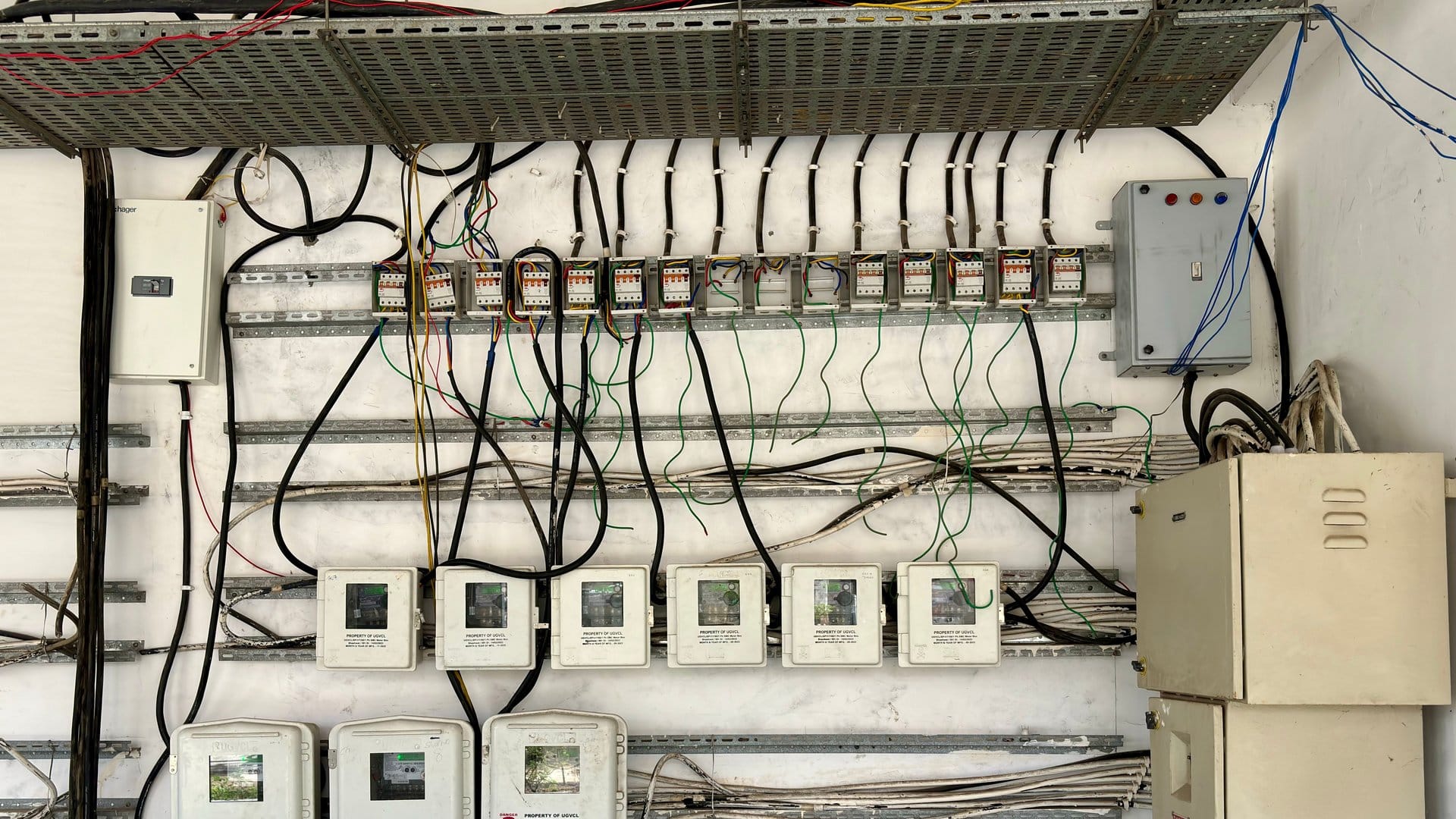
On June 15, 2026, Bill C-8 received Royal Assent and turned cybersecurity into a legal obligation for the operators who run Canada’s power grids, pipelines, banks, and telecom networks. The new Critical Cyber Systems Protection Act carries penalties reaching 15 million dollars per day for organizations ignoring their duties. Protecting critical infrastructure stopped being a best practice. It became the law.
Critical infrastructure means the systems Canadians depend on every hour. Electricity. Water treatment. Hospitals. Payment networks. Rail and air transport. When one fails, the effects spread fast. A ransomware attack on a utility does not stay inside the utility. It reaches every home and business downstream. This is why attackers aim at these systems, and why defenders treat them as a first priority.
The threat is rising, not fading
The Canadian Centre for Cyber Security ranks ransomware as the top cybercrime threat to Canada’s critical infrastructure. Its National Cyber Threat Assessment 2025-2026 reports ransomware incidents growing an average of 26 percent year over year since 2021. State-sponsored actors add a second layer of pressure. The Cyber Centre names the programs of China, Russia, and Iran as the largest strategic cyber threats to Canada, and warns these actors aim to manipulate industrial control systems to support military and political goals.
These numbers describe a trend, not a one-time spike. Attackers see critical infrastructure as high value because operators feel intense pressure to restore service. A hospital has no time to wait days to decrypt patient records. A pipeline operator loses money every hour a system stays offline. This pressure pushes some victims to pay, which funds the next attack.
Why industrial systems are hard to defend
Most critical infrastructure runs on operational technology, not standard office IT. These are the control systems behind turbines, valves, and switching gear. Many were built decades ago, before internet connectivity was normal. They run on old software, they rarely tolerate downtime for patching, and they were never designed to face online attackers. Adding modern defences onto aging control systems takes skill and planning. Staff need to understand both the engineering side and the security side.
What the frameworks require
Canada gives operators clear guidance. The Cyber Centre’s Cyber Security Readiness Goals set baseline expectations for critical infrastructure across six pillars, from asset identification to incident response. For government-linked systems, ITSG-33 defines the control catalogue and the risk management process. Bill C-8 now adds enforceable obligations. Designated operators must build a cybersecurity program, report material changes, and report incidents to the Cyber Centre without delay. NIST CSF 2.0 aligns with the Readiness Goals and serves as the international reference point.
These frameworks share one message. Protection depends on people who understand risk, controls, and response. Tools alone do not close the gap.
The skills behind the mandate
Meeting these obligations needs trained roles, not job titles on paper. Someone has to own the security program. Someone has to assess risk and decide which controls matter most. Someone has to lead the response when an incident hits. Someone has to bring services back online after a disruption.
The Certified Information Systems Security Officer (CISSO) path builds the governance and program-management skills a security officer needs to run a full cybersecurity program. For the risk side, the Certified Information Security Risk Manager (CISRM) teaches you to identify, measure, and treat risk in line with ITSG-33 and the Readiness Goals. Both map directly to the duties Bill C-8 places on operators.
Response and recovery need their own expertise. The Certified Incident Handling Engineer (CIHE) trains you to detect, contain, and report incidents fast, which matches the mandatory reporting rules. The Certified Disaster Recovery Engineer (CDRE) covers the planning needed to restore essential services after an attack, so a breach does not turn into a prolonged outage.
Who should build these skills now
If you work in energy, finance, telecom, transport, water, or health, the new law reaches your sector. IT teams at these organizations face fresh scrutiny. Government agencies and the vendors who serve critical operators feel the same pull. Hiring managers now look for staff who hold recognized, role-based credentials tied to real duties. You read more about the legislation in the Public Safety Canada announcement on the Royal Assent of Bill C-8.
Start where the risk is highest
Critical infrastructure protection rewards structured training over scattered certificates. Pick the role you want to own, then build toward it. A security officer starts with governance. A risk manager starts with assessment. An incident handler starts with response. Each path leads to work Canada needs filled, and each one answers a duty the law now spells out. The organizations who invest in trained people today will meet the deadline. The ones who wait will pay for it, one day at a time.
