What Is Zero Trust and How Do You Implement It?
Zero trust is a model, not a product. Here is how to roll it out step by step, from identity to segmentation, without breaking your business.


Zero trust is a model, not a product. Here is how to roll it out step by step, from identity to segmentation, without breaking your business.
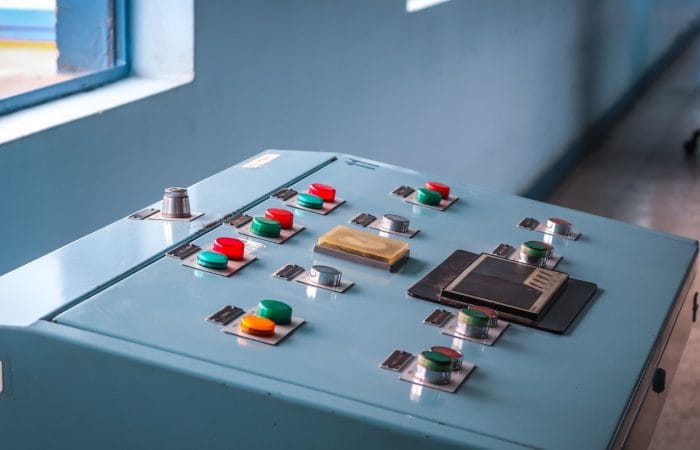
Hacktivists breached Canadian water, energy and farm systems in 2025. See why OT and ICS security is now a board-level risk and how to defend yours.

AI now clears most routine alerts. See how the Canadian security analyst role is shifting toward judgment, oversight, and the calls machines miss.

Nearly 1 in 5 Canadian businesses now use AI, and attackers do too. See the 2026 opportunities, risks, and the skills your team needs.
Zero trust architecture verifies every user and device. See why Canadian organizations are adopting it and the trained roles that make it work.

Inside Canadian cybercrime investigations: victim intake, NC3 coordination, forensic imaging, network reconstruction, and the credentials units hire for.

How cyber threat intelligence helps Canadian national security teams anticipate state-sponsored attacks, and the certifications that build the skill.
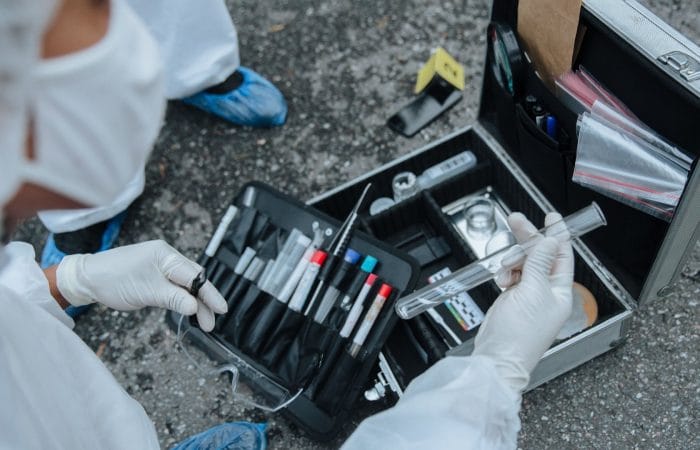
What the Certified Digital Forensics Examiner (CDFE) covers, who should earn it, and how it maps to Canadian forensic roles and frameworks.

How to start a digital forensics career in Canadian law enforcement: the skills, the training path, and the certifications to earn first.

Most Canadian breaches trace back to unclassified data. Learn how to build a data classification system that works — and why it starts with knowing what you hold.
