
How AI Is Changing the Role of the Security Analyst
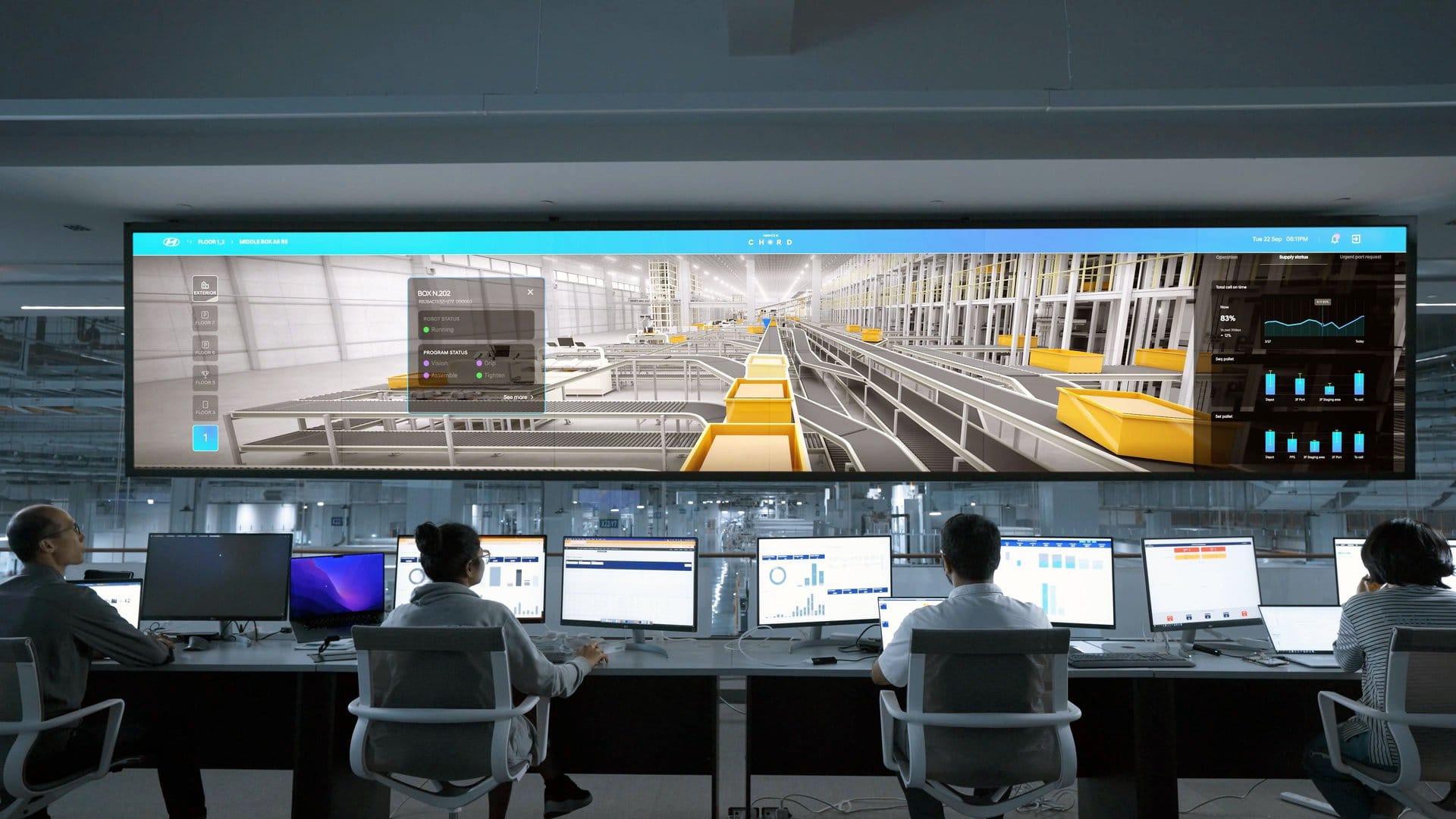
In 2026, artificial intelligence resolves most routine security alerts before a human ever reads them. The triage queue you spent your first year clearing is shrinking. Your role as a security analyst is moving from clicking through alerts to judging what the machine flags. This shift rewards analysts who understand both the tools and the decisions behind them.
The Canadian Centre for Cyber Security warns AI is amplifying threats across Canadian networks. Attackers use it to write sharper phishing, clone voices, and chain vulnerabilities at speed. Defenders now use the same technology to keep pace. For you, the result is a job with fewer manual steps and higher stakes on every decision you make.
What AI now handles in the SOC
Modern security operations centres lean on AI for the repetitive work. The tools correlate log data, group related alerts, and rank threats by severity. Work once measured in hours now finishes in minutes. Surveys across the industry show most organizations run AI in at least one SOC function. Fewer have rolled it out widely, and many still fight fragmented tools. So the technology is here, but the practice of using it well is still forming.
This matters for your daily work. AI clears the noise at Tier 1. It writes first-draft investigation summaries. It suggests next steps based on past incidents. You review its output, confirm or reject its verdict, and act on the cases it fails to close alone.
The change also cuts alert fatigue. Analysts once burned hours chasing false positives, and the constant volume drove burnout across Canadian teams. AI filters the obvious noise and surfaces the alerts worth your attention. You spend less time sorting and more time investigating. The trade is real, though. When a tool decides which alerts reach you, a tuning error hides real attacks. So you need to understand how the model ranks risk, not treat it as a black box.
Why your judgment matters more, not less
AI is strong at pattern recognition and weak at context. It does not know your business. It does not understand why a finance server talks to a new host at 2 a.m. during quarter close. You do. In its June 2026 statement on frontier AI models, the Cyber Centre flags the risk of systems relying on inaccurate or manipulated outputs. A confident wrong answer from a model is a real threat. Your job is to catch it.
Human review sits at the centre of every high-stakes action. You approve the response when a model recommends isolating a production system. You verify the evidence before an incident goes to leadership. You handle the ambiguous cases where the data points two directions. These decisions define the modern analyst.
Attackers know AI now guards the front door, so they aim at the model itself. They poison inputs, hide activity inside normal-looking traffic, and shape prompts to fool automated triage. A defender who trusts the tool blindly walks into these traps. A defender who questions odd results catches them. Your skepticism becomes a control, not a delay.
The new skills analysts need
The work rewards a different skill set now. You need to write clear prompts and read model output with a critical eye. You need to know when a verdict deserves trust and when it deserves a second look. You still need the fundamentals: network traffic, log analysis, incident response, and attacker behaviour. AI raises the floor on all of them, so weak fundamentals show faster.
Structured training keeps you ahead of this curve. The Certified Cybersecurity Analyst program builds the core analysis and monitoring skills every SOC role depends on. To specialize in securing AI systems and governing their use, the Certified AI Cybersecurity Officer track covers the controls and risks tied to machine learning in production. Both map to real roles, not theory.
What this means for Canadian analysts
Canada needs skilled defenders, and the pay reflects it. Job Bank Canada lists cybersecurity specialist wages between $30.00 and $72.12 an hour, with higher ranges in British Columbia. AI does not erase these roles. It changes what earns the top of the range. Analysts who treat AI as a teammate, review its work, and own the hard calls will hold the strongest positions.
Incident response shows the pattern clearly. When AI flags a live intrusion, someone still leads the containment, coordinates the team, and reports to executives. The Certified Incident Handling Engineer path prepares you for this work. The tools speed up detection. You still run the response.
Start now, not later
The analysts moving up in 2026 saw this coming. They learned the tools early and doubled down on the judgment no machine replicates. You have the same opening. Build strong fundamentals, learn to work beside AI, and earn a certification tied to a real role. The machine handles the volume. You handle the decisions worth making.
