Cyber Liability Insurance in Canada: What IT Leaders Need to Know
Canadian cyber insurance now demands proof of MFA, backups, and training. Here is what IT leaders need to qualify, cut premiums, and avoid denied claims.

Canadian cyber insurance now demands proof of MFA, backups, and training. Here is what IT leaders need to qualify, cut premiums, and avoid denied claims.

How large Canadian organizations structure incident response teams: the core roles, tiered models, and the training that keeps response times low.

What is cryptography? A plain guide to encryption, hashing, Canadian standards, and the quantum threat every security pro needs to understand.

Security certification vs degree in Canada: how the two differ in time, cost, and what employers reward, plus where to start your path.

Put the MITRE ATT&CK framework to work: map your coverage, prioritize real threats, build detections, and test them with purple teaming.

Nearly half of Canadian small businesses face cyberattacks each year. See the controls and training that protect an SMB on a modest budget.
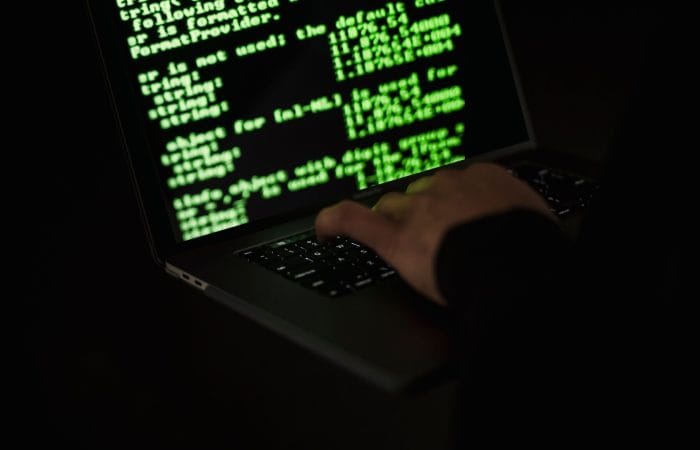
Malware analysis turns unknown threats into facts. See how Canadian security teams use it for defence and which certifications build the skill.
A certification track beats a pile of random credentials. Learn how to choose a cybersecurity certification path built around a real Canadian job role.

Stolen credentials sit on the dark web for months before you notice. Learn what dark web monitoring does, where it helps, and where it falls short.
Public key infrastructure is the trust layer under HTTPS, VPNs, and zero trust. Learn how PKI works and why security pros need it, with CCCS-aligned guidance.
